
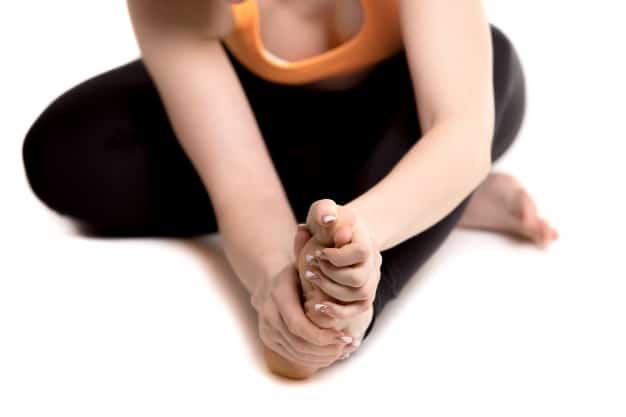
You have this niggling pain on the bottom of your foot. It’s been there for three or four months. It only came on after walking several miles when it started. Now its there whenever you walk on it.
You speak to your mate about it. “It’s plantarfasciitis that, my wife had it, it took ages to get better, she had to roll her foot on a bottle every night”
You go to the GP. He/She diagnoses you with plantarfasciitis. You start the rolling thing. It kinda works but doesn’t get rid of the problem. You go back to your GP. Injection time, ouch. It still doesn’t get better.
You get referred to physio. After a long wait finally treatment properly begins, but is it for plantarfasciitis.
The above story is a common timeline of plantarfasciitis. Things could get better so much quicker. This blog looks at what plantarfasciitis is and how it is best treated. It also looks at another diagnosis that is often misdiagnosed as plantarfasciitis and the treatment is entirely different.
Plantarfasciitis.
The plantarfascia is thick band of tissue that runs on the sole of your feet. It runs from the inner edge of your heel bone, covering the sole of the foot before attaching to your toes. It’s purpose is to absorb some of the load when we walk or run.
It can often become a source of pain. This can be where it originates on your heel bone or further down the foot. It is often worse first thing in the morning, or when you have been sat for some period and then start to walk. It often eases after a few steps but if you then do too much if often returns.
The term plantarfasciitis however is a bit of misnomer. ‘It is’ means inflammation and often inflammation is not the issue here. What we now know is that it is often due to degeneration or sensitisation of the fascia. Plantarfasciopathy is probably a more accurate term however given plantarfasciitis is so commonly known it is likely it will stick.
It often starts after a period of increased loading. This may be starting exercise, progressing exercise too quickly, being on your feet more than normal or simply a change in footwear. Often being sensible here by building things up slowly can prevent it happening. But that is often easier said than done.
Other risk factors include biomechanical issues such as flat feet or high arches, being overweight and age (40-60 being the most common age groups). That said just because you have flat feet, are obese and aged 40-60 does not mean that you will get it. There is far more to it than that.
Traditionally we always thought of it as a relatively self-limiting disease. By self-limiting we mean it was something that we couldn’t really do a lot for. It was something that would often get better on its’ own accord.
We would advise to reduce load- weight loss, cutting back on activity, taping, footwear advise, insoles or orthotics. We may have advised to stretch it or roll bottles (hot and cold), or golf balls on the sole of your feet. We may have addressed the biomechanical factors that could be contributing to it for example weak tib post, tight calves.
Often however this would not improve things (at least in the long run) and I suspect why this is why it was labelled as self-limiting. People often couldn’t reduce the load sufficiently and as soon as they reloaded it, pain returned.
Injections can be done and sometimes do help (at least in the short term) however there are risks involved. It can make things worse and equally there is some evidence to suggest it can make the plantarfascia weaker in the long-term.
Some recent studies however have shown that loading the tissue is the way forward. This makes sense. The reason that plantarfasciitis occurs is because of it being loaded too much. Therefore, if we load it, we can build its capacity to tolerate load. This however needs to be graded carefully as too much can mean more pain.
This approach sits so much better with me and fits my philosophy on a number of injuries. Yes, we can try and reduce load but why not make it tolerant of more load. This way re-injury is much less likely and you can continue to do the things you enjoy.
Moral of the story- focus less on stretching, more on loading. BUT get the diagnosis right first!
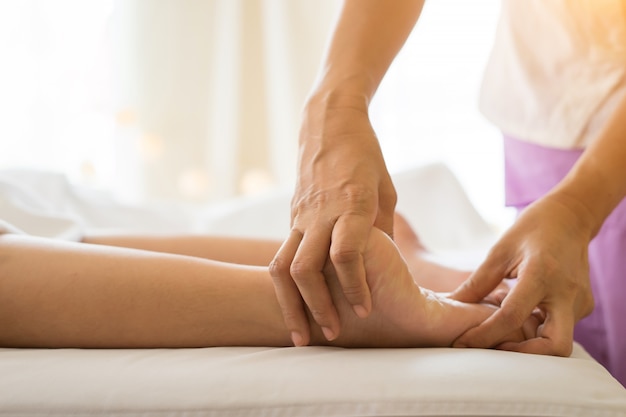
Heel fat pad syndrome
This is something that I feel regularly gets misdiagnosed as plantarfasciitis. It is less heard of, but is still fairly common.
The heel fat pad is as the name suggests it is: a fatty area under the heel. It is essentially a shock absorber, a cushion if you like. When this becomes painful it is due to decreased elasticity or altered composition of the tissue. Annoyingly, often this happens due to similar reasons as plantarfasciitis. Often also it has similar behaviour in the sense it is most sore after prolonged rest. This explains why it is so commonly missed.
There are however some key differences in its presentation. Whilst plantarfasciitis tends to be sore on the inner front part of the heel. Heel fat syndrome tends to be painful around the outside of the heel or directly in the middle of the heel.
This differential is key, as treatment is totally different. Whilst we want to load plantarfasciitis we want to rest the fat pad. This allows it to regenerate and become healthy again. We can do this through taping, through gel inserts, through sensible footwear and offloading as able. Simply put if we keep overloading it won’t get better. Importantly injections here are not a good idea. Steroids cause fat atrophy (wastage) and so our cushion becomes even worse. So if you feel this is your problem rest, rest, rest.
Summary
Plantarfasciitis and heel fat syndrome are both common causes of heel pain. It is important to get the diagnosis right. Plantarfasciitis needs careful and measured loading whilst heel fat pad syndrome needs relative rest.
Get in contact to discuss your heel pain today. Book in to see how we can get you back on track.