
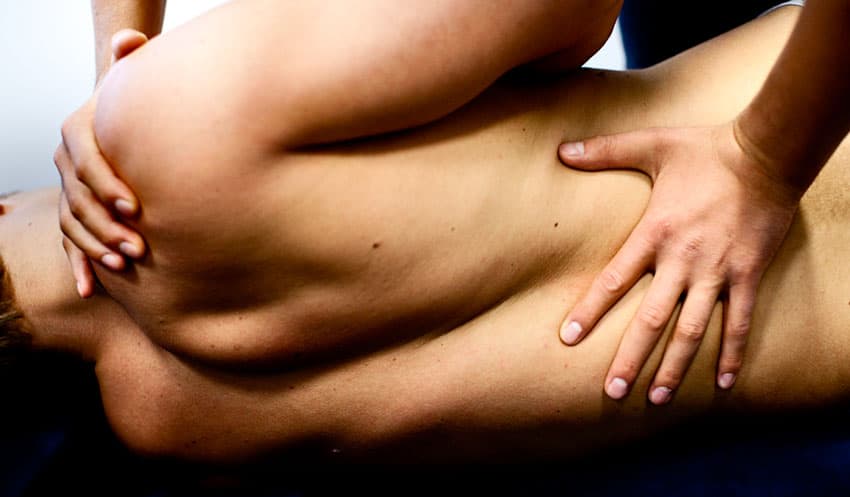
This is an article aimed squarely at manual therapy. It is part of series of articles I have written that aim to inform you of the truth behind certain treatments. The truth is they might not be all that they seem. Within the general community and the therapy community alike there are a lot of widely assumed and believed views / beliefs that really just don’t stack up. Importantly these misinformed thoughts can negatively be affecting you the patients hence my need to write this article.
Definition of manual therapy
My definition of manual therapy is the use of the three m’s: massage, joint mobilisations and joint manipulations. I have written a separate article on the myths of massage so this article concerns the latter two. Manual therapy for me is something where the provider is trying to change tissue position or structure through the use of force (pushing, prodding, poking, rubbing and any other which you may have heard of).
Joint mobilisations or the more forceful joint manips (aka adjustments) have been used in physio since day dot. Likewise there use in other professions such as chiropractic and osteopathy is widespread, many regarding them as the mainstay of treatment. We have had mixed results from the use of manual therapy.. Some will get better with it, some will stay the same and some will worsen
How does manual therapy work?
What science is now telling us is that when it works it is unlikely due to what we think we are doing. Rather than stretching or releasing soft tissue or moving joints in and out of position it is much more likely that what it does is desensitise the nervous system by creating novel inputs and changing beliefs and thoughts. This in turn can help peoples pain and stiffness. For a better understanding of this process see my article on pain and how treatments work
When you think about it, this more and more evidenced theory is a much more reasonable idea. How likely is it that we can create enough pressure to put a spinal joint ‘back into place’ when our spines can be put under 10 x bodyweight when jumping and don’t seem to fall out of place. It is inconceivable that we can manipulate joints otherwise we would all be a crippling mess. Those clicks when we are manipped? … nothing to do with joints moving just the moving of gas vacuums from inside the joint, the same as cracking your fingers. It’s proven. Our bodies and spines in particular are bloody strong structures
Similarly ‘soft’ tissue isn’t soft. Its incredibly tough, it needs to be. No amount of mobilisations or massage for that matter is going to significantly change the structure of the tissue. Yes it can be made to feel better however the change is not coming within the tissue. It’s not being loosened or freed. The science confirms this. Even prolonged and repeated manual has little effect on tissue properties. It does however have an effect of persons perception of pain and stiffness. How, we do not yet fully know but the nervous and immune systems seem the likely candidates.
Manual therapy..my views
Do I see wrong with manual therapy? No I use it in select cases. It can enable patients to start moving which is great but I have to be sure that isn't going to negatively affect them.
One of my concerns is that the effects of manual therapy are often shorted lived. Often this creates a reliance on your therapist and you need to see them again and again. Great for them but not for you. Frequently this reliance also means you miss out on other (in my view more important) treatment which can get you better for the long run.
I also have concern with the explanations that go alongside manual therapy. These can have a massive detrimental on your belief of your body as a strong structure (which I assure you it is, even if you are in pain or injured). These false explanations can predispose you to further problems and a reliance on your therapist. Proper explanation minimises these negative effects whilst keeping the benefit of the treatment.
Book in today and we can discuss whether manual therapy is a requirement for you