

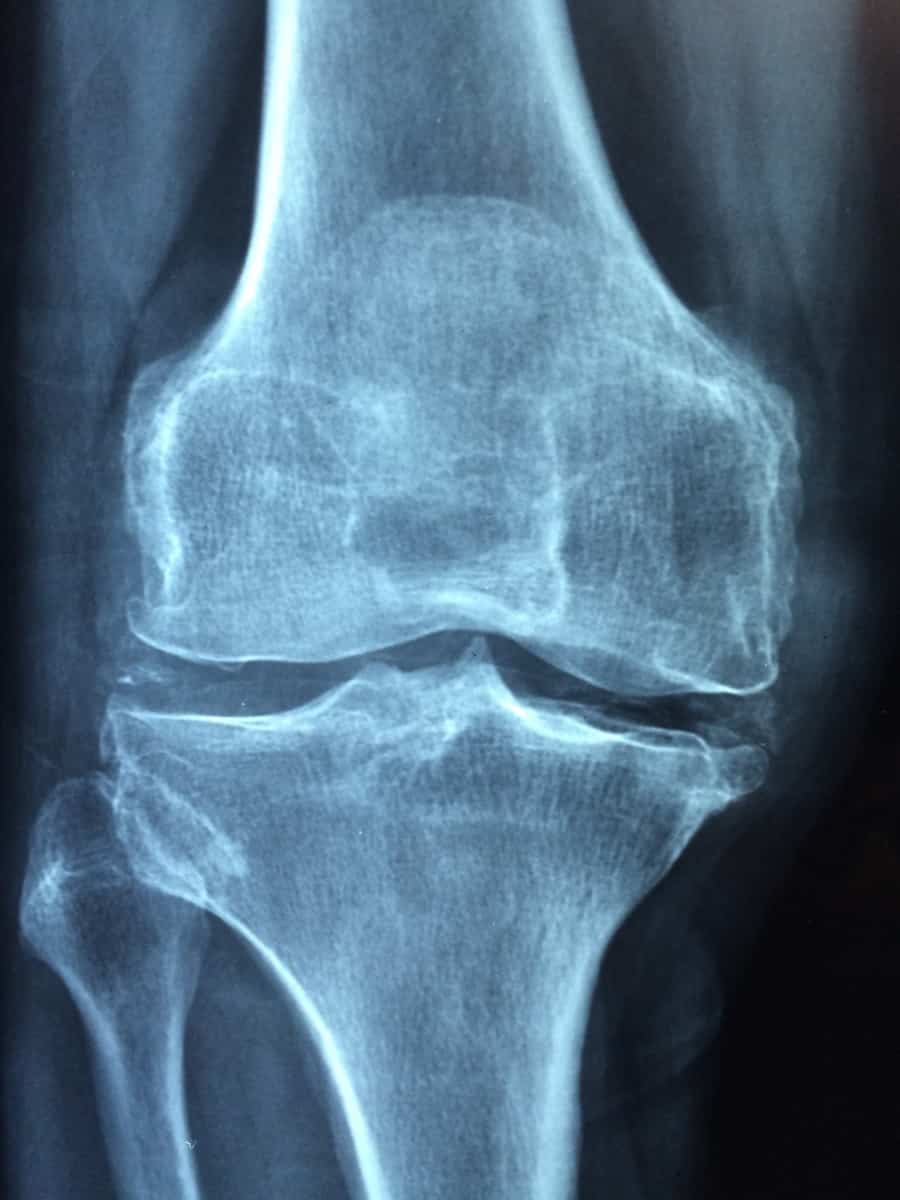
If you have been told you have got arthritis the chances are its osteoarthritis. It is the most common form of arthritis with an estimated 8.75 million people in the UK seeking help for it. For the purpose of this article I am going to refer to osteoarthritis as ‘arthritis’ due to this. We see a lot of patients with this condition.
If you have joint pain and three of the list below, guess what it is highly likely you have arthritis. National guidelines state that provided you have three of these you don’t even need an x-ray to prove it.
• Older than 45
• Early morning stiffness lasting less than 30 mins
• Crepitus- creaking, cracking, popping or essentially noisy joints
• Bony tenderness
• Bony enlargement
• No extra warmth around the joint
Risk factors include age (naturally), gender (sorry ladies), obesity (although not required), previous joint injury/disease (makes sense) as well as genetic or developmental factors (increasingly being found). Interestingly high levels of impact or heavy activity is not a risk factor (more about this later).
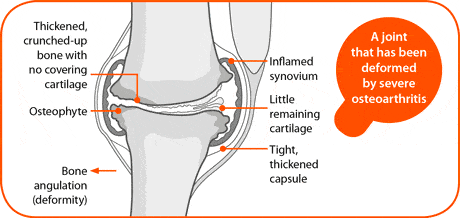
People tend to know that arthritis involves wearing of the cartilage and/or overgrowth or spurring of bone. However what people often don’t know is there is more to it than that. What we see in osteoarthritis are other changes within the joint. These include reduced synovial fluid, thickened or roughened joint capsule and inflammation of the synovium.
These happen progressively as the process of osteoarthritis develops. Another interesting point however is that there is no correlation to the amount or severity of these things found on scans and pain. As always, its more complicated than that. People are out there with ‘bone-on-bone’ and still functioning normally!
People assume that arthritis is a wear and tear process. That the more load we put through the joint the more damage that occurs. We now know however this is not the case. Runners have less arthritis than non-runners for example.
What we say now is that arthritis is a wear and failed repair process. We place our joints under load, this causes trauma. Our bodies will try to adapt to this so it can cope with said load in the future. This works in the exact same way we try to strengthen muscles.
Our bodies are designed to be resilient. Most of the time it repairs fully but under certain conditions it is unable to and arthritis develops. This is an important thing to get your head around as it means ultimately load in itself is not a dangerous thing. In fact load can cause protective and positive responses. This could explain why runners have less arthritis than non-runners.
There is also an inflammatory component to osteoarthiritis and thus lifestyle factors which raise the bodies natural inflammatory levels can also contribute to process of wear.
Symptoms of osteoarthritis include pain, stiffness, crepitus, swelling, instability, weakness and deformity. These can feed into becoming less active which decreases your cardiovascular fitness and your function. Ultimately these lower your quality of life.

I’ll be honest here..THERE IS NO TREATMENT FOR ARTHRITIS.
By that I mean we cannot cure or reverse the disease process. Once we have changes we can not take them away (save for joint replacement surgery - not to be taken lightly)
HOWEVER
We can stop the changes progressing and most importantly we can address the symptoms of arthritis. This can improve quality of life, without changing any previous damage previously done. Just because you have been told you have arthritis does not mean you can’t get better, nor that it will get worse.
They key components of managing arthritis are exercise (strengthening, stretching and cardiovascular) and weight loss.
Our joints are designed to move, movement keeps them healthy. Movement is medicine. Strengthening improves the stability of the joints and takes some of the load of them. Cardiovascular exercise improves our endurance so we can do more. What we know is that the processes of arthritis often accelerate when we start to do less, this is why it often deteriorates quickly in later life even though we are loading the joint (s) less. Use it or lose cannot be more true.
One problem with exercise in arthritis is that it can be really painful. It is important therefore to find your baseline and build slowly. Physiotherapists are experts in guiding this. Remember also that pain does not mean damage (see my pain article for further information). Additionally there are many adjuncts that can make exercise more comfortable, maximising these is really important.
On the other side of the coin weight loss can be hugely effective. As an example, one study found that people who lost 10% of their weight were able to halve their symptoms. Exercise can obviously have a large part to play in this.
SUMMARY
Arthritis is not a life sentence.
Get in contact to see how we can help your joint pain (s)
Book in to get your life back on track.