
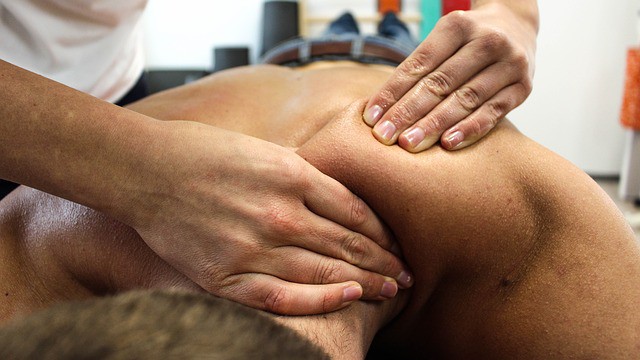
Massage therapy- rubbing, prodding and kneading out the truth
This article is one of a set that looks at myths of common treatments. This one looks at massage. It may be useful to look at my article why it matters how treatment works, prior to reading.
It’s fair to say that I enjoy a good massage. Hey doesn’t everybody. It does have that feel good factor about it and can certainly make achy muscles feel rejuvenated. It can make us feel relaxed and reduce stress. It can make us move better and this can be helpful for recovery.
Despite this, it can also have some negative effects on our pain experience and cause issues in the long term. It can change the way we think about our bodies as resilient things and lower our confidence in them (e.g. I get pain because I'm tight or because I have too much lactic acid). It can make us focus on things we needn't focus on and take us away from the things we can be doing to help our pain. People can become reliant on massage as often its' effects are short lived. On the opposite side if massage doesn't cure us, this failed treatment often exacerbates our problem.
Often the causes of negative effects are the poor reasoning behind the massage . There are many myths that have hung around massage since day dot (see below for my seven myths of massage). In truth it does not do many of the things that it purports to do. These have often been extrapolated from poor quality scientific studies or gathered momentum from hearsay. People have also wrongly put two and two together to make four. For example massage lowers stress; therefore it must be due to lower cortisol (stress hormone). This is translating a clinical outcome to a biological one and may not be true (keep reading for more information). The other thing that can happen is people get better over time whilst getting massages. This does not necessarily mean massage is making them better, we often get better regardless, our bodies are powerful healers.
In truth we do not fully know how massage works. There is increasing evidence it is due to desensitisation of the nervous system rather than changes in the tissues, but this has not yet fully been established. Being happy with this unknown and accepting massage for what it is - something that can make you feel good can help minimise the risk of massage affecting you negatively. It needn't matter really how massage works and sometimes I feel we go into too much detail to make it sound credible.
For me, massage is a luxury item; it may make you feel better however is not a prerequisite to getting better. A treat rather than a treatment if you like. Rather than using it routinely I prefer to have an honest chat to see whether massage should be part of your treatment. If massage makes you feel good and you are not getting dependent on it, or missing out on other crucial aspects of rehab then crack on. BUT, have it in the knowledge it not be working for the reasons it purports to.
If you have any an injury and are wondering what you need to do to get better get in contact and/or book an appointment.
Seven Myths of Massage
- “Massage helps muscle tightness”