
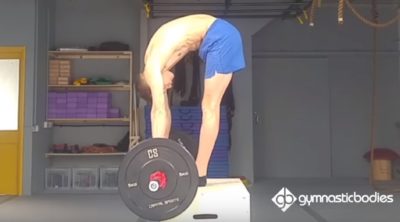
This is an article that looks at the common myth that our spines are unstable. It forms part of a series of articles that look at problems with the diagnosis of painful conditions.
Spinal stability
Our spine is inherently stable. We would be a mess otherwise. I am frequently told that a patient feels there spine has slipped, or is out of place. In truth this is rarely the case and this article seeks to give you the truth about your spine.
The back is a hugely strong and stable structure. If it wasn’t we’d all be in heaps (quite literally) of trouble. It has been designed to cope with huge forces, loads and strains, for example up to 10 x body weight when jumping. They are structurally sound; gaining strength from the joints themselves, multiple ligaments and even more muscular attachments. Our spines simply cannot all of a sudden go out of alignment. Sure, we can get sudden pain but that is not because the joint has suddenly moved.
X-rays may show joints that are out of align (scoliosis or spondylolisthesis) however these changes will have evolved over time or been there since birth and the back remains stable, just stable in a different position. It is highly unlikely your back will just be sliding about all over the place as you move.
Even if your spine could just go out of place, no therapist could just put it back in with manual therapy. It is a ridiculous concept. If the spine could be moved by manual pressure alone, even running would be a dangerous activity to us all. There is absolutely no evidence that spinal joints can be moved let alone permanently into a new position by manual therapy, don’t let your therapist tell you otherwise nor believe that is what happened if manual did or does work.
The myth of core stability
People who believe that they’re back is unstable often look to core-stability exercises to help them. Should you be doing do core-stability exercises to keep your spine secure?. Well there is no harm in doing core stability exercises however in truth it is no better than other forms of exercise in helping back pain. The reason they work isn’t because they are increasing stability, this isn’t needed. They work because they are getting you fitter and desensitising your nervous system. My advice: find exercise you enjoy and do that be it core stability exercises or otherwise.
Equally should you recruit the ‘core’ when lifting? Simply no. We know that the ‘core’ muscles activate rather little during presumed at risk activities such as lifting. They work well within their maximal limits. Internal bracing by tensing for example the TVA can increase back stiffness and increase risk of injury. Normal movement that is fluid and fearless is key in the rehabilitation and prevention of back problems.
Those delicate discs
The other commonly mentioned thing when it comes to backs and instability are slipping discs. These are often cited as a large cause of pain. However slipping discs is really an incorrect term. Discs don’t slip. Discs bulge. A disc has two layers a tough outer layer (annulus fibrosus) and a softer inner layer (the nucleus pulposus). What happens when a disc ‘slips’ is the inner layer protrudes out to varying degrees. Thus there is no slipping, discs aren’t unstable. On that point they are not like a jam doughnut either which is something I sometimes hear. That inner bit isn't coming out without significant force.
Importantly over time the body can reabsorb the disc matter (bizarrely the bigger the bulge the more likely it will heal) and/or the body can adapt to live with it, the nerves can reroute or the nervous system can be desensitised and pain can go. Surgery is rarely needed and nor is it always the answer.
Final Thoughts
A fear of an unstable spine can have huge effects on your pain (see pain article). It will prime your pain producing system and make your pain worse. It may lead to fear avoidant behaviours and maladaptive movement patterns. These may actually increase the load on your spine. Rest assured having read this article your back is strong (it may be painful but it is still strong) and don’t let others believe otherwise. Get fit, relax and get on top of your back problem. If you need further reassurance get in contact and book an appointment.