Why it matters how treatment works
In the last article I wrote about how common treatment approaches often don’t work for the reasons we believe. An example was that to stretch the ITB requires in excess of a tonne load, certainly more than any foam roller could create. What is more likely to be happening when rolling are changes to the nervous system leading to favourable changes on your symptoms.
In future posts I plan to explore treatments in a bit more detail but for now I want to discuss why it matters how treatment works, surely as long as it is working it does not matter how it working?Wrong! And here are the reasons why:
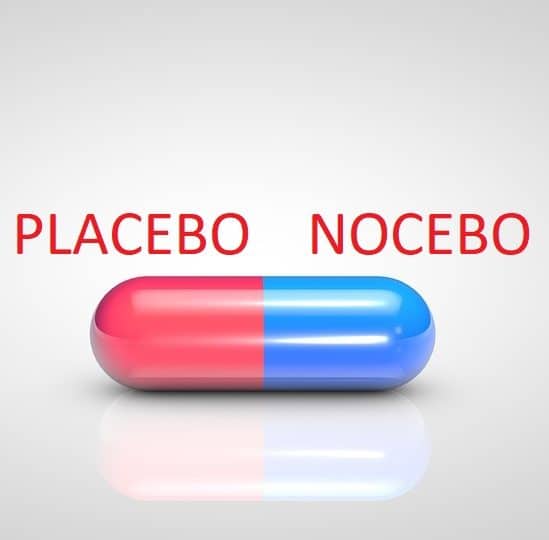
1.Nocebo.
For me this is the big one. Nocebo is the opposite of a placebo. Therefore, is an unintended negative consequence of a treatment.
A belief why a treatment is needed can lead you to have poor beliefs about your pain and body. For example a patient may visit a therapist and be told that their back pain is because it is out of alignment and needs manipulating back in. It is ‘manipulated’ back in and pain improves. Therefore, you the patient are reassured the correct diagnosis was made.
However, if the pain returns you are then dependant on the passive treatment again. After a while this may lead you to believe that your back is weak / fragile / unstable. You may alter your movement patterns / limit your activities (a term we call fear avoidant) and these thoughts can feed into your pain. See my pain article to see how thoughts can play a huge part in our pain experience.
I regularly hear of patients’ stories similar to this with all parts of the body and all types of treatments, sometimes multiple treatment choices and you can see how they have ended up with a chronic, persistent or reoccurring problem due to poor explanations in the past. Do not get caught here. Correct advice from your therapist is so important.
2. It could work better.
If you and your therapist know why a treatment works, then your treatment plan can be even more targeted. This may in turn help you improve more quickly. Furthermore, your understanding of your condition and treatment may mean there is less chance of it reoccurring as your thoughts and beliefs will be stronger. Knowing that you can get ‘fixed’ easily, you may overlook other treatment choices (e.g. exercise, strengthening, load management, weight loss). These will give you better control of your symptoms in the long run.
3. Money.
Treatments inevitably cost money. No-one likes spending money even if it does get you ‘better’. You would rather be spending it on new clothes, a holiday or a car. Ask yourself do you need this treatment? Are their alternatives which would be more cost-effective and deliver the same outcome. For example do you need 12 sessions of massage therapy or would a strength program with 1-2 visits to your therapist have sufficed and led you to the same outcome.
Summary
There are many treatments out there and they will all have success stories. My advice is to listen to any therapists reasoning carefully. The reason they say their treatment works is often poorly evidenced and often not true. Do not rule out use of that treatment, just receive it in the knowledge it may not be doing what it purports to be doing.
When receiving treatment be aware that you are not getting nocebic effects from it. This is most commonly due to incorrect thought processes and beliefs due to poor explanations. Equally as important don’t miss out on other treatment approaches. Ultimately active (things you do) are far better for both your bank balance and your health than passive (done to you) treatments.
If in doubt question your therapist or contact me using the contact form on the website. Also keep a look out for my upcoming series of articles on the myths of specific treatments.