
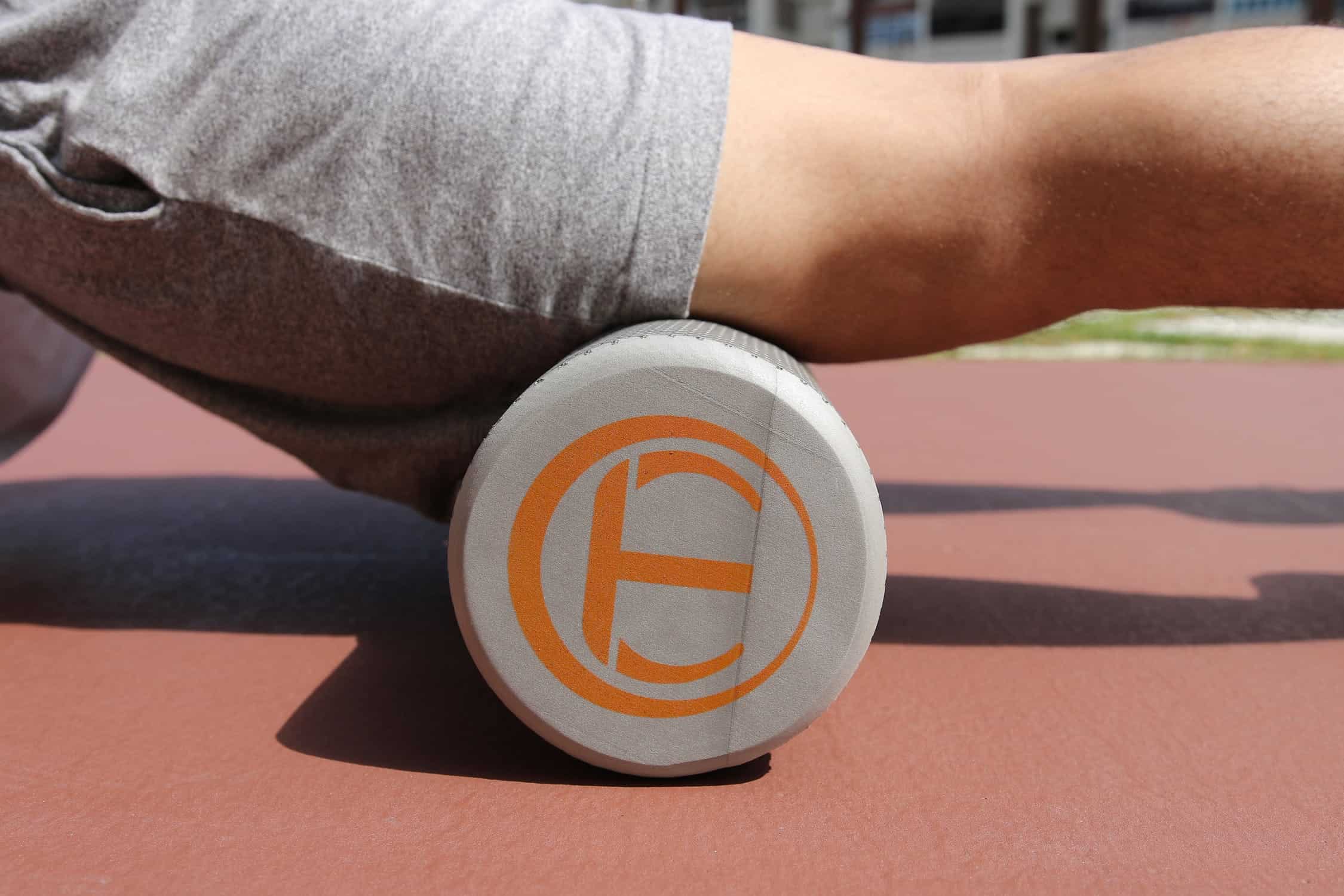
Why exactly do some people feel better after massage? Or acupuncture? Or foam rolling? Or manual therapy? For the examples above you may have been told that massage gets rid of the toxins, acupuncture works on the meridien lines, rolling lengthened the fascicles and manual therapy realigns joints.
However these explanations and many others have been disproved time and time again by science. Massage can actually cause increased toxins, it does not matter where acupuncture needles are placed, the foam rollers favourite the IT band is not stretchable even under 1 tonne load, and spinal manipulations do not change spinal alignment, the back is an inherently and obviously strong structure. That click is just an escape of gas! Often treatments do not and cannot cause structural or tissue changes. There really are only two caveats to that and these are surgery and exercise.
There are myths aplenty in a lot of treatments that therapists (and that’s physios, chiros, sports therapists, massage therapists, osteos and any other) often use. I am therefore going to write a series of articles that debunk some of them. The above treatments can and do work, however they do not work for the reasons that we have always assumed they do. This can be really important for your recovery as I will go on to explain in my next blog: why it matters how a treatment works.
How do these treatments work then if not changing the tissues?
In truth we do not yet fully know. However, more and more evidence suggests any effects are the result of modifications to the more sensitive and changeable nervous and immune systems rather than changes to our tissues. Our nervous system is king and controls everything about us, from what we see to what we hear. Most importantly from a physiotherapists perspective it controls how we move and how / what we feel. Our nervous system can limit range of movement, it can makes us feel stiff, it dictates every bit of pain we get! On the flip side it can allow us to move freely and make us feel really great.
Our body (and more specifically our nervous system) gives us the negatives when it feels there is a threat. It does this to protect us (see my article on pain). If we can dethreaten the situation by providing information that there is no threat or reduced threat then it can change things round, it can relax our muscles and joints, and take away pain.
All treatments have the potential to harness the power of the nervous system. They may do this by providing us with novel sensations to which our nervous system adapts. They may work by changing any fear / anxieties or by working on expectations / beliefs. These feed into the nervous systems interpretation of potential threat, therefore changing them can change your symptoms. (for better or for worse). To an extent this is the placebo effect but in truth it is a lot more complicated than that. Reassurance alone is a bloody good pain killer.
The other side of things is that these treatments may not be doing anything at all. When people get better with them it may just be the natural resolution of their problem. This is called regression to the mean and has been shown in a huge amount of studies looking at treatments ranging from surgery to exercise to more passive options by comparing patients who get treatment to those that don’t. Often, they both get equally better. Surprising huh.
Summary
The reasons why a number of treatments work are not what they appear to be on the surface. These will be explored in a subsequent series of myth busting articles. Often treatment effects are less due to changes in the tissues and more to do with changes to the bodies protection system. Natural history may also play a part. Understanding how a treatment works can be really, really important to your recovery and future problems and will be discussed in the next article: why it matters how a treatment works.